

Relocation Story: Public vs Private Schools



Relocation Story: Public vs Private Schools
Education in the United States
As you plan your move to the United States – or if you have just relocated – you may be considering how our education system works. For many, enrolling their children in school is a way to help them settle in the US, make friends, and continue their education. Depending on your visa status, your children may have the opportunity to attend either a public or private school. We understand that choosing the right school for your children is of the utmost importance, so we have developed this guide to assist you in making the best decision for your children’s education.
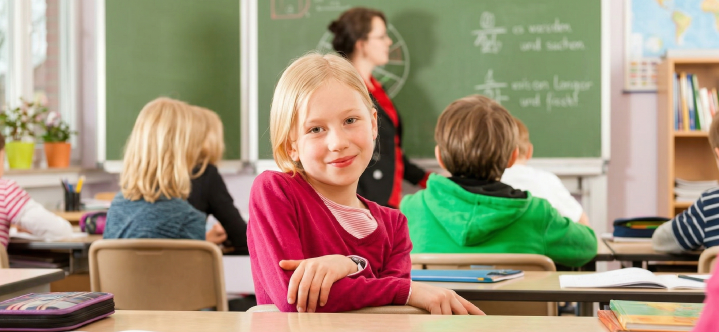
Formal education in the United States begins around age five in what we call kindergarten, a precursor to first grade. Each state differs in the cut-off dates they utilize to determine when your child can begin kindergarten, and the Education Commission has compiled each of these dates on their 50-State Comparison page. After completing kindergarten, children then go on to complete grades 1-12 before attending university. Here in the US, both public and private schools are offered, and each has its own benefits and drawbacks.
Public Schools
Public schools are funded through local, state, and federal taxes. Thus, a public school in a California city is funded by California’s state taxes as well as local taxes. Your children will be assigned to a public school based on your home address, and the school will be local to your area.

As children accompanying individuals on a work visa, (H-1B, L-1, O-1, etc), your children will be eligible to attend public schools. Here in the United States, every school is rated on a yearly basis, and many of these ratings are available online. In order to find such ratings, go to the State Department of Education website for the state in which you reside or plan to reside. A list of California’s can be found here. As such, many families in the US select their area of residence based on the area that has the best schools for their children.
Private Schools
Some clients prefer to send their children to private schools. These are funded through tuition payments made by the families of students who attend the school, rather than state and local taxes. Private schools are located all across the country and often specialize in a child’s educational needs, and/or provide religious instruction.

Many private schools require their foreign students to have F-1 Student Visa Status. In order to determine whether this is a requirement, contact the private school and inquire about the requisite visa status for foreign/international students. In addition to inquiring about the school’s requirements, you must choose a school that is recognized by the US government to accept international students. This is known as Student and Exchange Visitor Program (SEVP); a list of these schools can be viewed here. There are many benefits to attending a private school in the United States; however, the cost of tuition for these private schools is often extremely high and can amount to a cost similar to that of your child’s college/university education. If your children are considered international students, the cost of this tuition could be even higher.
Turning 21
Regardless of the option you choose for your children, it is extremely important to be mindful of their ages. As they near 21, you must be considering their next visa option as the cutoff age for your children to be considered a dependent on your visa terminates when they turn 21. Thus, in order to avoid family separation and sending your children back to your country of origin, you must begin to look at their visa options. If your children plan to go to university or college here in the US, they can attain F-1 Visa status.
If your child does not plan to attend university, then you must secure an alternative visa status for them. This harsh reality illustrates how important it is to secure a Green Card for you and your family as soon as possible.

Determining Your Child’s Education Path
The US has great public and private schools that your children can attend. As you continue to consider the best option for your children’s needs, do not hesitate to contact us should you have any questions regarding your children’s visa status. Ensuring that your children will be able to remain in the US and complete their education is extremely important, so ensuring that they maintain the right visa is a priority.
Comments on this entry are closed.